VPS, Servers & Hosting Blog

Practical articles about VPS, dedicated servers, Linux, hosting, and networking technologies. Learn how to choose and configure a server, work with Linux, Docker, DNS, SSL, IPv4 and IPv6, troubleshoot network issues, and secure your server infrastructure.

The ForceVPS blog features guides, comparisons, and technical articles for website owners, system administrators, and developers. No unnecessary theory: VPS configuration, performance optimization, security, networking, and practical solutions for real-world server tasks.

How Much RAM Does a VPS Need: How to Choose the Right Amount of Memory

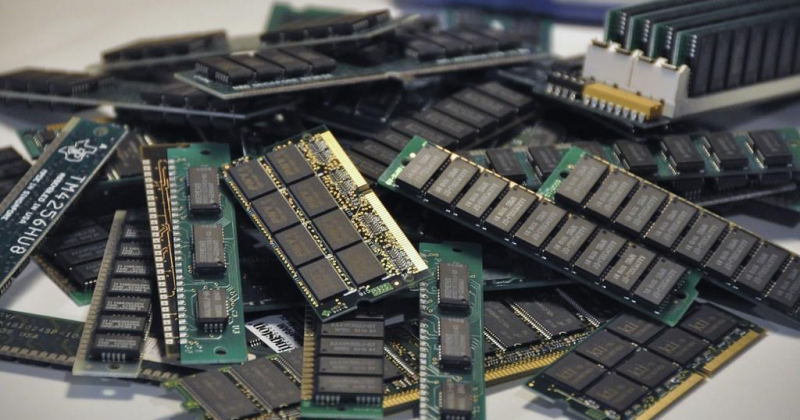
What Is RAM in a VPS?

RAM (Random Access Memory) is the server memory used by the operating system and running applications to temporarily store active data.

On a VPS, RAM is used by almost every major component of the system:

  • the operating system;
  • Nginx or Apache web server;
  • PHP process...
SSD или NVMe для VPS: в чём разница и что выбрать

What Is an SSD?

SSD (Solid State Drive) is a storage device that uses flash memory to store data. Unlike traditional HDDs, SSDs have no mechanical components, spinning disks, or moving read/write heads.

This allows SSDs to provide faster read and write speeds, lower latency, and significantly mo...

How Much CPU, RAM, and Storage Does a VPS Need?

How Many Resources Does a VPS Need?

Choosing a VPS is not simply a matter of ordering the server with the most CPU cores or RAM. The required configuration depends on the software, number of users, website traffic, database size, and type of workload.

A small website or personal VPN may need onl...